In the year 1875, in the city of Hobart, ten seamen from the Sarah Pile stood before the Police Magistrate, accused by their captain of refusing to work. The culmination of this maritime drama unfolded over several days, as the magistrate diligently heard evidence and prepared to deliver his verdict.
It is quite clear that the act of which the defendants were accused has been committed. There is no question that they had refused to work, and this frustrated the owners and their shipmates in their efforts to make a remunerative voyage. I have, then, only to examine and see if they were legally justified in that act.
Macquarie Island

Rewinding to spring in 1874, the Sarah Pile, a whaling vessel, was navigating the Southern Ocean near Macquarie Island. Captain Herbert, looking for a more lucrative venture, opted to stop at Macquarie Island for sealing. The crew, agreeable to the change, went ashore to hunt sea elephants on the desolate sub-Antarctic territory.
Macquarie Island, situated halfway between Tasmania and Antarctica, has treacherous icy waters and a harsh climate. The once-abundant sea elephant population had dwindled, and the conditions were harsh for the seamen who ventured ashore. The island’s barren landscape, lacking trees to burn for warmth, was a contrast to the seamen’s usual maritime routine.
Conditions on Macquarie Island
Benjamin Moore, the ship’s second officer, and six men faced the demanding task of sea elephant hunting. They were given provisions that were expected to last twelve weeks; biscuits, potatoes, flour, a cask of meat, tea, and sugar. The beef was less than the expected ration. Meagre medical supplies were given, but crucially, no vinegar or lime juice for scurvy prevention.
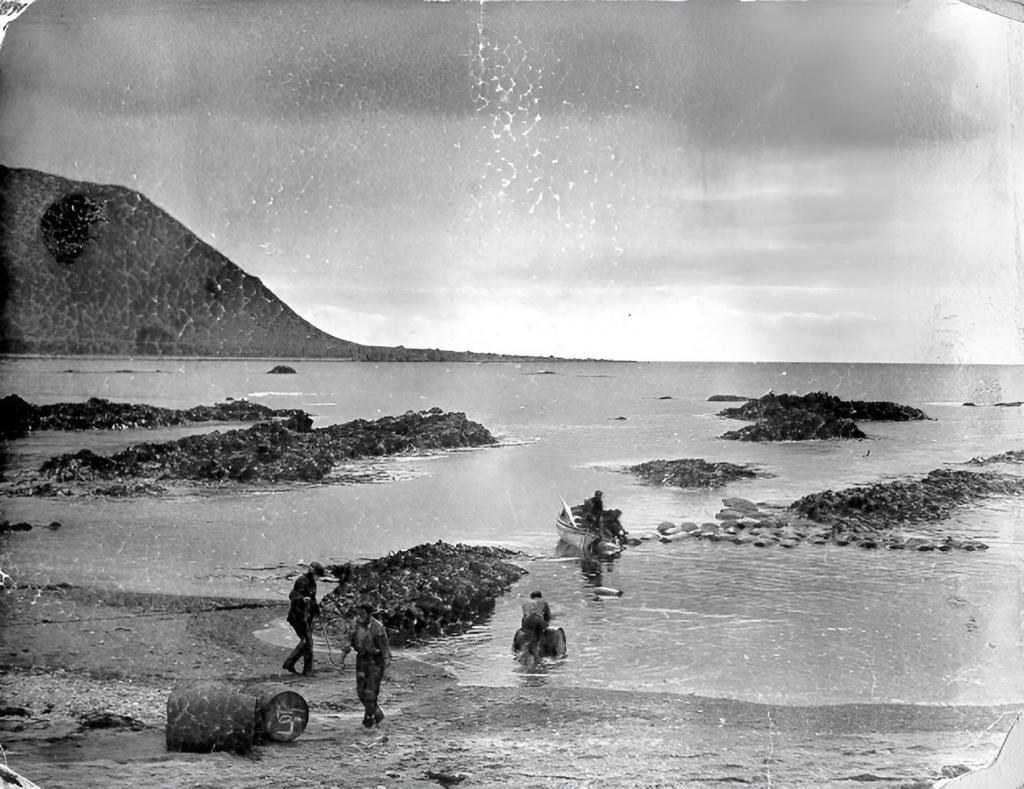
The conditions on Macquarie were challenging. Even in summer, temperatures stay in single digits, and this is coupled with driving rains and the harsh winds from the Antarctic. The Sarah Pile was blown off-shore, leaving the men on Macquarie out of communication with the ship.
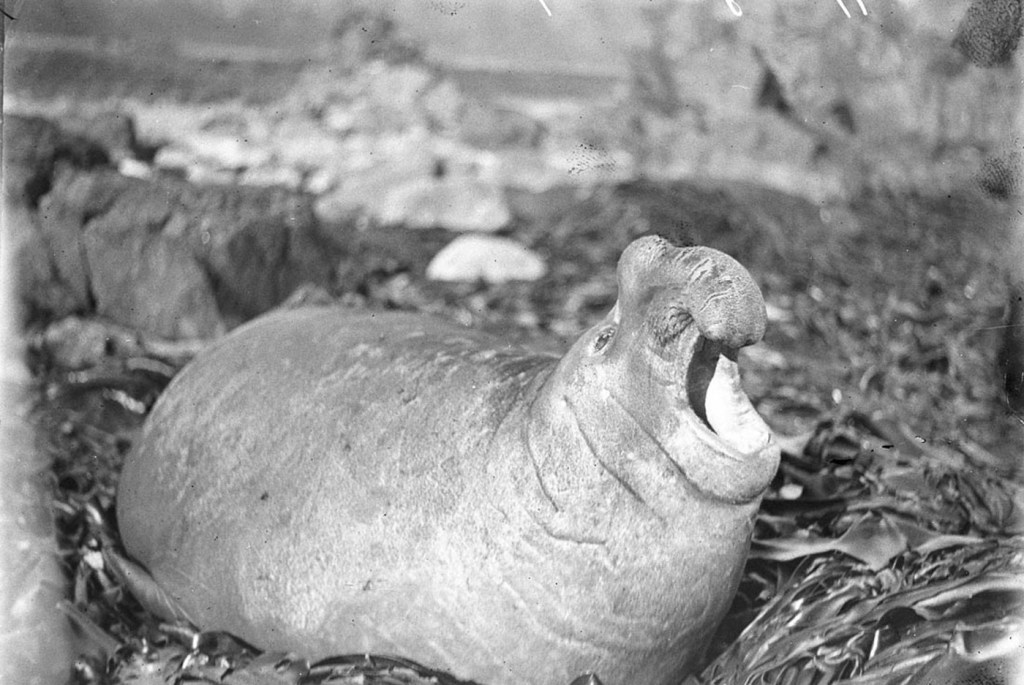
Elephant seals are massive sea mammals, with adult males reaching weights comparable to that of a small car. Sealing was physically demanding labour. Elephant seals were found and killed; usually by harpoon or shot. The elephant would be skinned to extract the blubber which was melted to extract oil. It was a hot and smelly task.
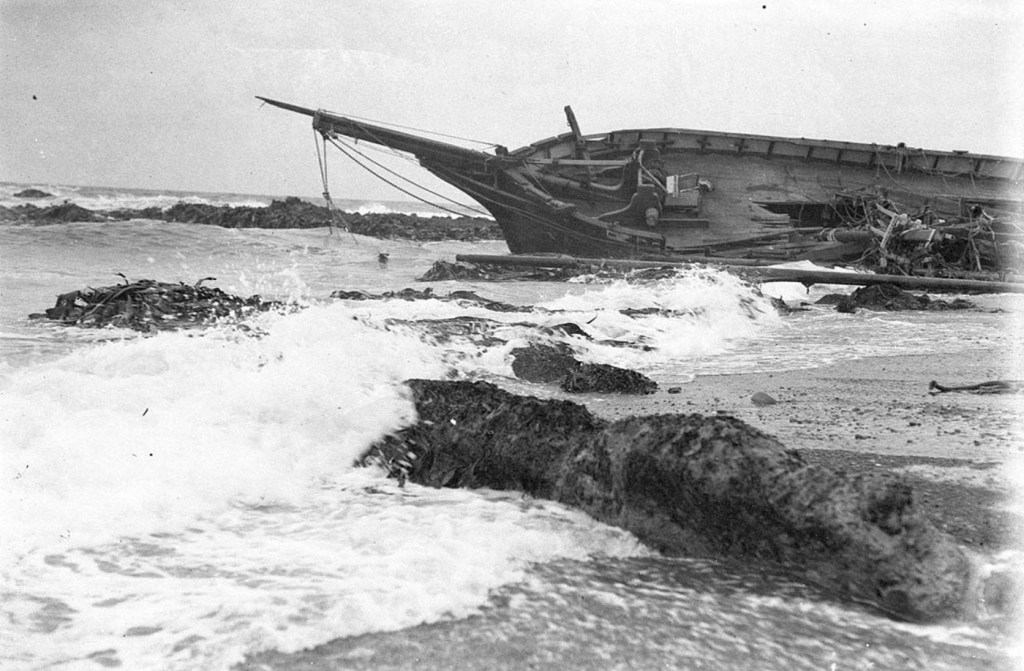
It was cold on the island and wood for fires was limited. Macquarie Island itself had no trees, and any wood came from that obtained from wrecks. The nearest required a walk through treacherous waters to retrieve the wood from the surf. As the sealing expedition wore on, the men ran out of firewood. The harsh conditions were worsened by the lack of fire. The seamen had no way to warm themselves, shivering under a canvas tent at night, surrounded by frost and snow.
The seamen had access to water, though needed to travel a mile through swamp to reach it. However, they exhausted their rations and with Sarah Pile blown off-shore, needed to seek alternative food sources. There were other sealers on the island, and they received biscuits, flour, tea, and sugar from them. To supplement their food, they tried eating penguins but found them too tough. They next tried eating sea elephants. Described as good food when cooked, it was inedible without a fire to cook it. Eventually the men resorted to eating penguin eggs for nourishment, mixing them with water to make them go down. They lived in a constant state of adversity.
One of the men, Stopford, had already been ill before landing. He’d had a seizure on the Sarah Pile the day before arriving on Macquarie. The day of arrival he had another seizure, this one lasting two hours, and remained ill afterwards. Gradually the other men started to succumb to illness as well. Most complained of colds and coughs, but one came down with scurvy which can lead to death when untreated.
Back on Board the Sarah Pile
Upon returning to the Sarah Pile on December 14th, the ailing crew faced an unsympathetic Captain Herbert, who demanded they resume work. The men, weakened by poor nourishment and illness, took to their beds. They complained to Captain Herbert of sickness and short rations. The ship’s captain showed little regard for their complaints, and he battened the men down, allowing only an hour on deck each day for air.
Two days after being battened down, William Riley asked to work but was refused by the captain. Ryan was in bed for four days after leaving Macquarie. Stopford, the chap who experienced the seizures, remained ill. His peers were concerned that his body had started to turn black.
Eventually, the Sarah Pile called at Port William, on Stewart Island, New Zealand. Ryan asked to see a doctor, however the small town had none. A magistrate came onboard at the request of the captain, who’d called on him in the past when a crew had refused to work. The magistrate did not speak with the men, and the Sarah Pile set sail for Hobart. No fresh provisions were taken on board at Port William. In all, the men were battened down for 36 days. They complained they were kept short of rations during this time.
These challenging conditions formed the backdrop of the legal battle, where the seamen faced accusations of disobedience.
Ten Seamen Face Trial for Disobedience
Upon arriving in Hobart, Captain Herbert accused ten seamen of disobedience for refusing to work. It’s worth noting that not all ten had been ashore at Macquarie. However, among those accused who had been were William Riley, Thomas Stopford, and George Ryan.
Of the ten men, only Stopford was legally represented. His barrister, Mr. Moriarty, said that he could show that there had been a sufficient reason, and where there is sufficient reason there is sufficient excuse, for the conduct of the men. He argued they had been miserably short of every requisite.
The men were not mutinously inclined, he argued, as shown by agreeing to the captain’s desire to alter the object of the voyage from whaling to sealing. They were, he said, only driven to act as they had on the grounds of hardship, shortness of provisions, and sickness.

The Police Magistrate acknowledged the refusal but assessed legal justification. He dismissed the crew’s evidence that they had been ‘short of tucker’ for a fortnight and near starvation. The general allowance was considered sufficient, and he suggested there had been a lavish expenditure of provisions on Macquarie.
The defendants, he said, chose to refuse work, taking matters into their own hands. Stopford and Ryan pleaded illness, but the magistrate found that only Ryan’s case had supporting evidence, resulting in his acquittal. The remaining nine, including Stopford, were sentenced to four weeks of imprisonment with hard labour.
Conclusion
In the unforgiving environment of Macquarie Island, marked by brutal weather and scarce resources, the seamen of the Sarah Pile confronted adversity and illness. Returning from sealing, they faced accusations of disobedience by Captain Herbert, who dismissed their claims of near-starvation. Upon their return to Hobart, legal repercussions ensued. Despite one man’s acquittal due to claimed illness, the accused, scarred by their experiences, vowed never to set foot on a ship again. The relentless challenges of Macquarie Island reveal the realities of those engaged in whaling and sealing at the time.
More From Tasmania’s Past
Interested in more stories from remote islands and the edge of the world? You may enjoy these bite size fragments from Maatsuyker and Heard Islands.
Sources
Mercury, “City Police Court”, 8 February 1875, p.2
Mercury, “City Police Court: Refusing to Work”, 10 February 1875, p.3
Tasmanian, “Southern News”, 13 February 1875, p.5
Tasmanian Tribune, “City Police Court”, 9 February 1875, p.2
Macquarie Island World Heritage Area.

Researched and Written by Tamar Valley Tales
 Tamar Valley Tales
Leave a comment